Introduction
Blood pressure concerns affect millions of adults over 40, and sodium intake is one of the most significant dietary factors you can control. The question of how much sodium per day blood pressure remains one of the most frequently asked by people trying to manage their cardiovascular health. If you've recently checked your blood pressure and received concerning results, or if your doctor has recommended reducing salt in your diet, you're not alone. Understanding the relationship between sodium consumption and blood pressure is essential for making informed decisions about your health. This article breaks down the science, explains daily recommendations, and provides practical strategies to help you take control of this modifiable risk factor.
Understanding Sodium and Blood Pressure: The Connection
Sodium plays a critical role in your body's fluid balance and nerve function, but excess amounts can significantly impact your cardiovascular system. When you consume too much sodium, your body retains more water to maintain proper electrolyte balance. This increased fluid volume in your bloodstream puts extra pressure on your artery walls, which is essentially what blood pressure measures. Over time, this persistent elevation can damage blood vessels and force your heart to work harder with each beat.
The relationship between salt intake and hypertension isn't uniform across all populations. A landmark 2016 study published in the New England Journal of Medicine found that individuals with salt sensitivity—a genetic trait affecting about 25-50% of people with hypertension—experience more dramatic blood pressure increases in response to sodium consumption. However, even those without identified salt sensitivity benefit from reducing excessive intake. Your kidneys regulate sodium levels, but when intake consistently exceeds your body's needs, this regulatory system becomes overwhelmed. The National Institutes of Health confirms that reducing sodium intake is one of the most evidence-supported dietary interventions for lowering blood pressure, often reducing readings by 5-6 mmHg on average.
Current research suggests the average American consumes between 3,400-3,600 mg of sodium daily, far exceeding recommended levels. Most of this sodium comes from processed foods, restaurant meals, and condiments rather than the salt shaker on your table. Understanding where hidden sodium lurks in your diet is the first step toward meaningful reduction. The mechanism is straightforward: less sodium means less fluid retention, lower blood volume, and ultimately lower pressure on your artery walls.
Recommended Daily Sodium Intake and Guidelines
Major health organizations provide clear guidance on sodium consumption, though recommendations have evolved slightly over the past decade. The American Heart Association recommends no more than 2,300 mg of sodium per day for most adults, with an ideal limit of 1,500 mg daily for those with hypertension or prehypertension. For people specifically concerned with how much sodium per day blood pressure management requires, the lower threshold of 1,500 mg provides the greatest blood pressure reduction benefit. However, the 2,300 mg guideline remains the standard reference point for general population health.
The U.S. Dietary Guidelines for Americans align with the 2,300 mg recommendation, acknowledging that this represents a 40% reduction from typical American intake. For adults over 40, especially those with existing hypertension or a family history of heart disease, meeting these targets becomes increasingly important. A 2019 analysis in JAMA showed that each 1,000 mg reduction in daily sodium intake corresponded with measurable systolic blood pressure decreases across multiple age groups. If you currently consume 3,500 mg daily—the American average—cutting back to 2,300 mg represents a significant but achievable goal.
The challenge isn't sudden elimination but gradual adaptation. Your taste buds adjust to lower sodium levels within 6-8 weeks, meaning foods that initially taste bland become satisfying as you progress. Starting with the 2,300 mg target, then gradually moving toward 1,500 mg if your doctor recommends it, provides a sustainable approach that doesn't feel deprivation-based.
Signs and Symptoms of Excessive Sodium Intake
Most people don't experience obvious symptoms from consuming too much sodium on any given day. High blood pressure is often called a "silent killer" precisely because it typically produces no warning signs until significant damage has occurred. However, certain signs might indicate your sodium consumption is affecting your health. Many people notice increased bloating and water retention on days when they've consumed restaurant meals or processed foods—a direct result of sodium-induced fluid retention. Some individuals experience mild headaches or a sense of heaviness, though these symptoms aren't specific to sodium and could indicate other conditions.
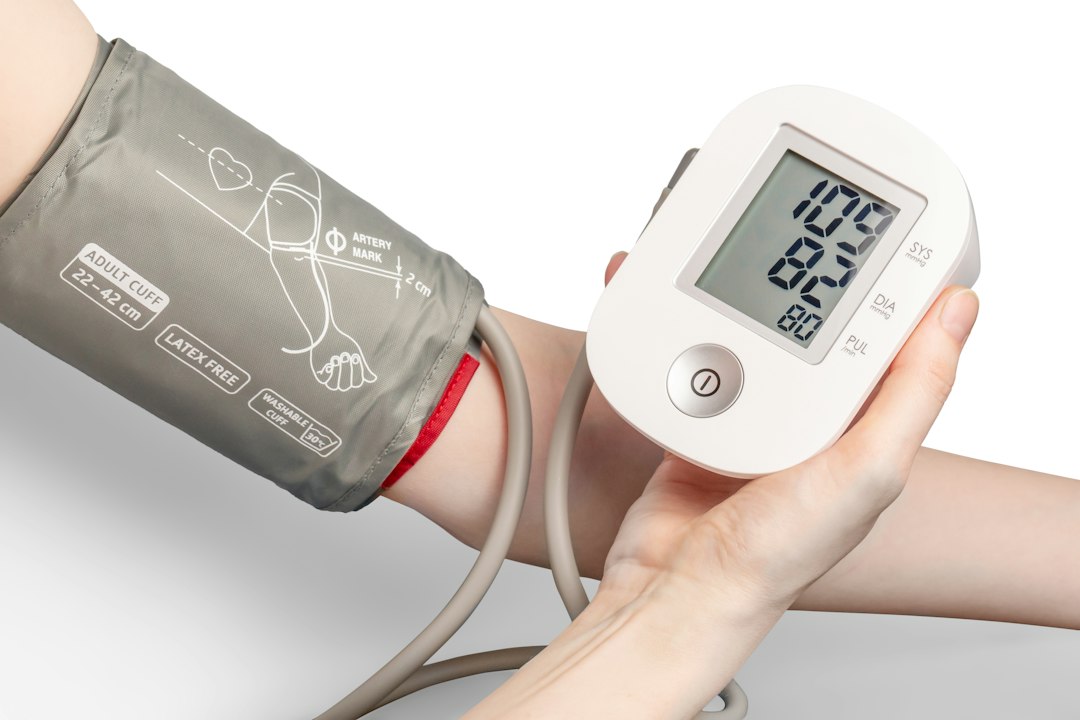
The real indicator of excessive sodium intake comes through blood pressure monitoring rather than subjective symptoms. If your readings consistently hover in the elevated range (120-129 systolic, less than 80 diastolic) or higher, sodium reduction deserves serious attention. A 2020 study in Hypertension journal tracked participants who reduced sodium from 3,500 mg to 2,300 mg daily and found average systolic pressure drops of 6-7 mmHg within 4-6 weeks. Some participants with salt sensitivity experienced even greater improvements, with drops exceeding 15 mmHg. This demonstrates that despite lacking obvious immediate symptoms, your cardiovascular system responds quickly to dietary sodium changes.
Some people notice they feel slightly different as they reduce sodium—often reporting increased mental clarity, less afternoon fatigue, and improved sleep quality. While research hasn't definitively linked these changes to sodium reduction specifically, the mechanism is plausible: improved blood pressure allows better oxygen circulation and reduces the cardiovascular stress that contributes to fatigue. Regular blood pressure self-monitoring becomes your best tool for assessing whether your sodium reduction efforts are producing measurable results, providing concrete feedback that motivates continued adherence.
Impact on Daily Life and Long-Term Health
Chronic elevation of blood pressure due to excessive sodium intake affects nearly every aspect of your long-term health. Beyond the immediate cardiovascular strain, sustained hypertension increases your risk of heart attack, stroke, chronic kidney disease, and cognitive decline. A 2018 study in Stroke found that individuals with uncontrolled hypertension had significantly higher rates of vascular dementia and Alzheimer's disease, suggesting that blood pressure management protects not just your heart but your brain.
The practical daily impact often emerges gradually. You might notice reduced exercise tolerance, increased fatigue after activities you previously managed easily, or difficulty concentrating. These changes don't happen overnight but accumulate over months and years of high sodium intake. Conversely, when you successfully reduce sodium and lower your blood pressure, many people report improved energy, better sleep quality, and enhanced exercise performance. The positive reinforcement of feeling better provides powerful motivation for maintaining dietary changes.
Your quality of life in your 60s, 70s, and beyond depends substantially on cardiovascular choices you make today. Managing how much sodium per day blood pressure you consume is one of the most impactful decisions available to you, often requiring no medications and costing nothing beyond slightly increased attention to food labels and cooking methods.
Natural Approaches and Lifestyle Modifications
The most effective blood pressure management strategy combines multiple approaches, with sodium reduction as the cornerstone. Regular physical activity stands as one of the most powerful interventions available—even moderate exercise like 30 minutes of brisk walking five times weekly can reduce blood pressure by 5-8 mmHg. When combined with sodium reduction, the effects multiply, with some studies showing synergistic benefits exceeding either intervention alone.
Stress management deserves equal emphasis. Chronic stress elevates cortisol and adrenaline, both of which increase blood pressure and promote sodium retention. Meditation, deep breathing exercises, and progressive muscle relaxation all show measurable effects in clinical trials. A 2019 trial in JAMA Psychiatry demonstrated that participants who practiced mindfulness meditation for just 15 minutes daily achieved blood pressure reductions comparable to some antihypertensive medications.
Sleep quality significantly impacts blood pressure regulation. During deep sleep, your body naturally reduces blood pressure as part of its normal circadian rhythm. Poor sleep disrupts this process, keeping blood pressure elevated throughout 24-hour cycles. Aiming for 7-9 hours of consistent sleep, maintaining regular bedtimes, and limiting evening sodium intake all support this critical physiological process.
Weight management, particularly for those carrying excess abdominal weight, provides dramatic blood pressure benefits. Each kilogram of weight loss corresponds with approximately 1 mmHg of systolic pressure reduction. While not purely a lifestyle factor, limiting alcohol consumption also matters significantly—excessive alcohol increases blood pressure and interferes with several blood pressure medications.
Nutrients and Dietary Considerations
While reducing sodium is essential, adding specific nutrients to your diet provides additional blood pressure benefits. Potassium counteracts sodium's effects by promoting sodium excretion and supporting healthy blood vessel function. The American Heart Association recommends 3,500-4,700 mg of potassium daily from food sources. Bananas, sweet potatoes, spinach, beans, and avocados are excellent sources. A meta-analysis in Nutrients journal found that each 1,640 mg increase in daily potassium intake corresponded with 21 mmHg systolic pressure reduction, making it one of the most powerful dietary interventions available.
Calcium and magnesium also support healthy blood pressure through multiple mechanisms. Calcium helps regulate sodium reabsorption in your kidneys, while magnesium relaxes blood vessel walls and improves endothelial function. Dairy products, leafy greens, nuts, and seeds provide both minerals. Studies show that magnesium supplementation of 300-400 mg daily can reduce systolic blood pressure by 2-3 mmHg, with greater effects in people with magnesium deficiency.
Omega-3 fatty acids from fish and plant sources reduce inflammation and improve blood vessel flexibility. Mediterranean-style eating patterns, emphasizing fish, olive oil, vegetables, and whole grains while minimizing processed foods, consistently show superior blood pressure outcomes compared to typical Western diets. This is why many adults turn to targeted nutritional support formulas—Soda titde combines key nutrients proven to support cardiovascular health, though whole foods should remain your primary source.
The DASH diet (Dietary Approaches to Stop Hypertension) formalizes these principles into a comprehensive eating plan emphasizing vegetables, fruits, whole grains, lean proteins, and low-fat dairy while strictly limiting sodium to 2,300 mg daily. Clinical trials consistently show DASH adherence reduces blood pressure by 8-14 mmHg, rivaling many medications in effectiveness.
Frequently Asked Questions
Is all sodium equally harmful to blood pressure?
Different types of salt—sea salt, kosher salt, table salt—contain virtually identical sodium content by weight, though they differ in crystal size and mineral composition. The source matters more than the type: processed foods and restaurant meals pose far greater risk than the sodium you add during cooking. Your body processes sodium identically regardless of source, so focusing on reducing total intake rather than switching salt types proves more effective.
How quickly will my blood pressure improve if I reduce sodium?
Many people experience measurable improvements within 1-2 weeks, with more substantial reductions appearing over 4-6 weeks. Individual responses vary based on salt sensitivity, current blood pressure levels, and whether you're also implementing other changes like exercise and weight loss. Consistent monitoring using a home blood pressure monitor provides clear feedback on your personal response timeline.
Can I reduce sodium too much?
While very low sodium intake (below 500 mg daily) can theoretically cause problems, this rarely occurs through normal dietary choices. The recommended levels of 1,500-2,300 mg represent safe, sustainable targets supported by extensive research. Only in specific medical conditions like severe kidney disease or certain medications does extremely low sodium become a concern worth discussing with your doctor.
Moving Forward With Confidence
Managing blood pressure through dietary sodium reduction is one of the most empowering health decisions you can make. If you've been struggling to lower your numbers despite dietary efforts, it might be worth exploring whether nutritional deficiencies in key supporting minerals are limiting your progress. Learn more about how targeted nutritional support addresses the factors discussed in this article and whether it might complement your existing blood pressure management strategy.